
"Robot bartender" isn't one technology. It covers robotic arms, automated dispensers, self-service kiosks, and even humanoid robots built more for entertainment than efficiency. MSC's "Rob" dances and speaks eight languages. Royal Caribbean's Bionic Bar just pours drinks fast.
This article breaks down how these systems actually work, what benefits and limits they bring, what they cost to run, and what cruise operators should evaluate before signing a contract.
Key Takeaways
- Robot bartenders mix automation with guest entertainment, and system capabilities differ widely.
- Faster service, consistent recipes, and controlled pours are the core operational wins.
- Human crew remains essential for compliance, garnishing, sanitation, and exception handling.
- True cost includes installation, software, training, and maintenance — not just the equipment price tag.
What Counts as a Robot Bartender?
The term gets used loosely. It usually falls into four distinct categories:
- Robotic-arm bars — mechanical arms that grab bottles and mix drinks (Royal Caribbean's Bionic Bar, Makr Shakr's Toni)
- Automated dispensing systems — fixed units that measure and pour ingredients on command, without visible robotics
- Self-service stations — guests order and receive drinks with no bartender involved
- Humanoid robots — designed for interaction and spectacle as much as drink-making (MSC's Rob)
Cruise ships are a natural fit for automation:
- Demand spikes in short windows (pool decks at noon, bars after dinner shows)
- Bar footprints stay tight while the same recipes run all day
- Operators want a feature guests will remember and photograph
Two cruise lines show how these categories work at sea:
Royal Caribbean's Bionic Bar currently runs on nine ships, including Oasis, Symphony, and Wonder of the Seas, according to a January 2025 Cruise Critic report. Guests order from 30 spirits and 21 mixers via tablet, either from a set menu or a custom build.
MSC's Rob debuted on MSC Virtuosa in 2021 as what the company called the first humanoid robotic bartender at sea. Rob pours, shakes, garnishes, and moves his arms and head while chatting in eight languages.
MSC's current Virtuosa page still features Rob and the Starship Club, though no dated source confirms he's expanded to other ships like Euribia.

How Robot Bartenders Work on Cruise Ships
The Guest Journey
Most systems follow a similar flow:
- Browse a digital menu and customize a drink
- Validate payment or a beverage package
- Wait for preparation, then pick up the finished cocktail
On Bionic Bar, a crew member often assists guests and handles spills. On Rob, drink status shows on monitors and an LED strip while the robot works.
What's Automated, What's Not
Robotic and automated systems measure spirits and mixers precisely. Garnishing, glass handling, and often juice additions still involve people.
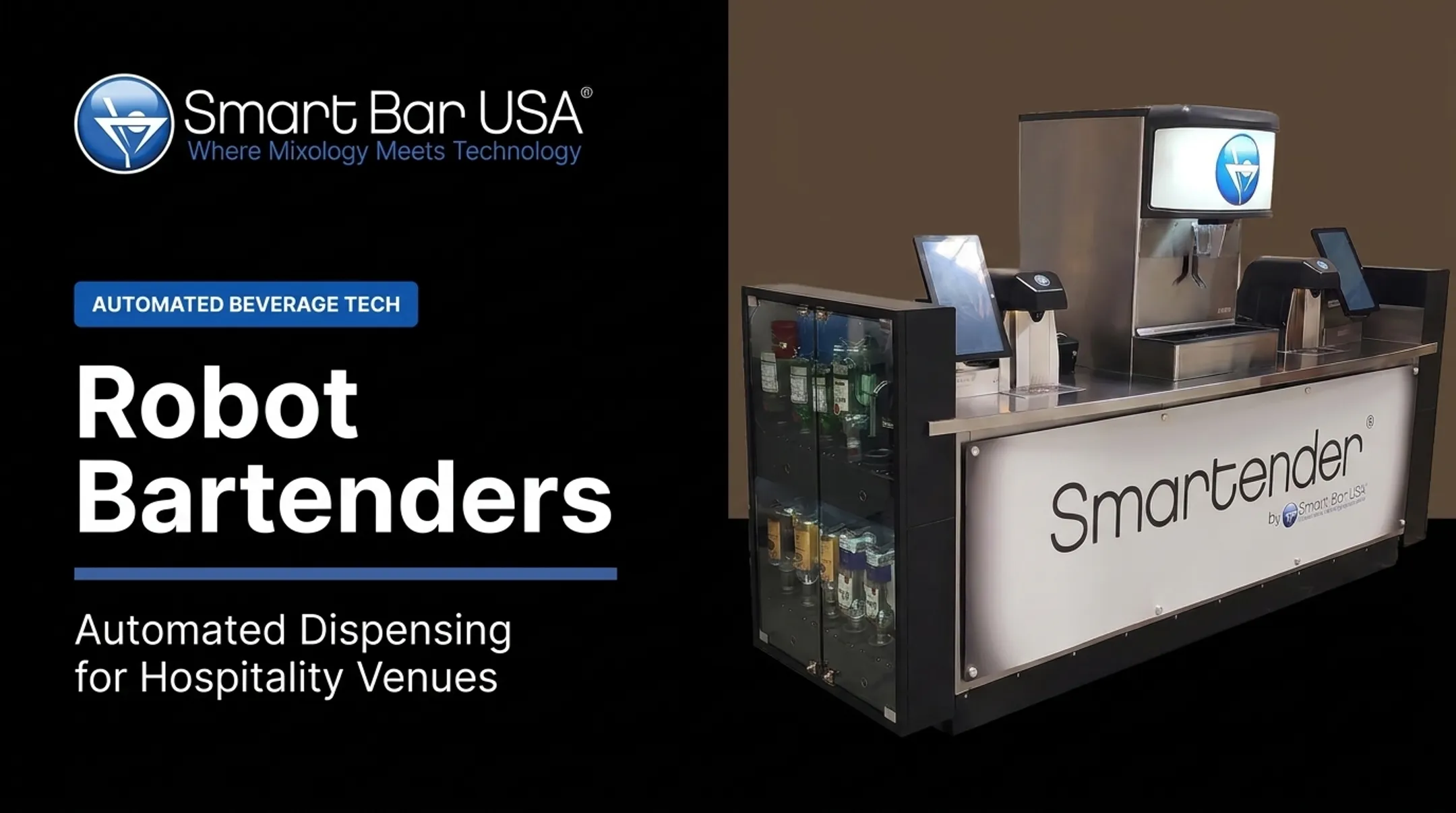
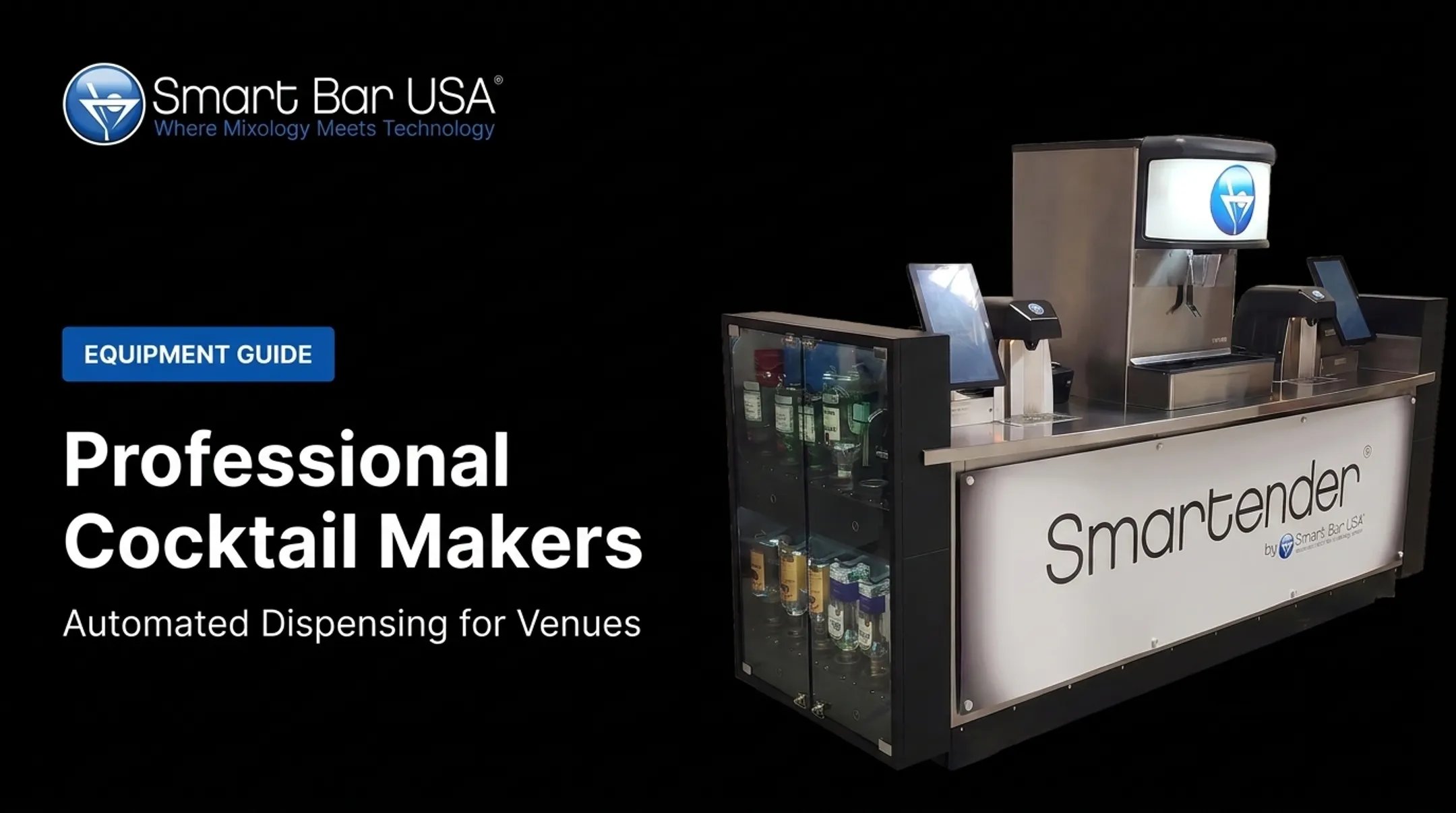
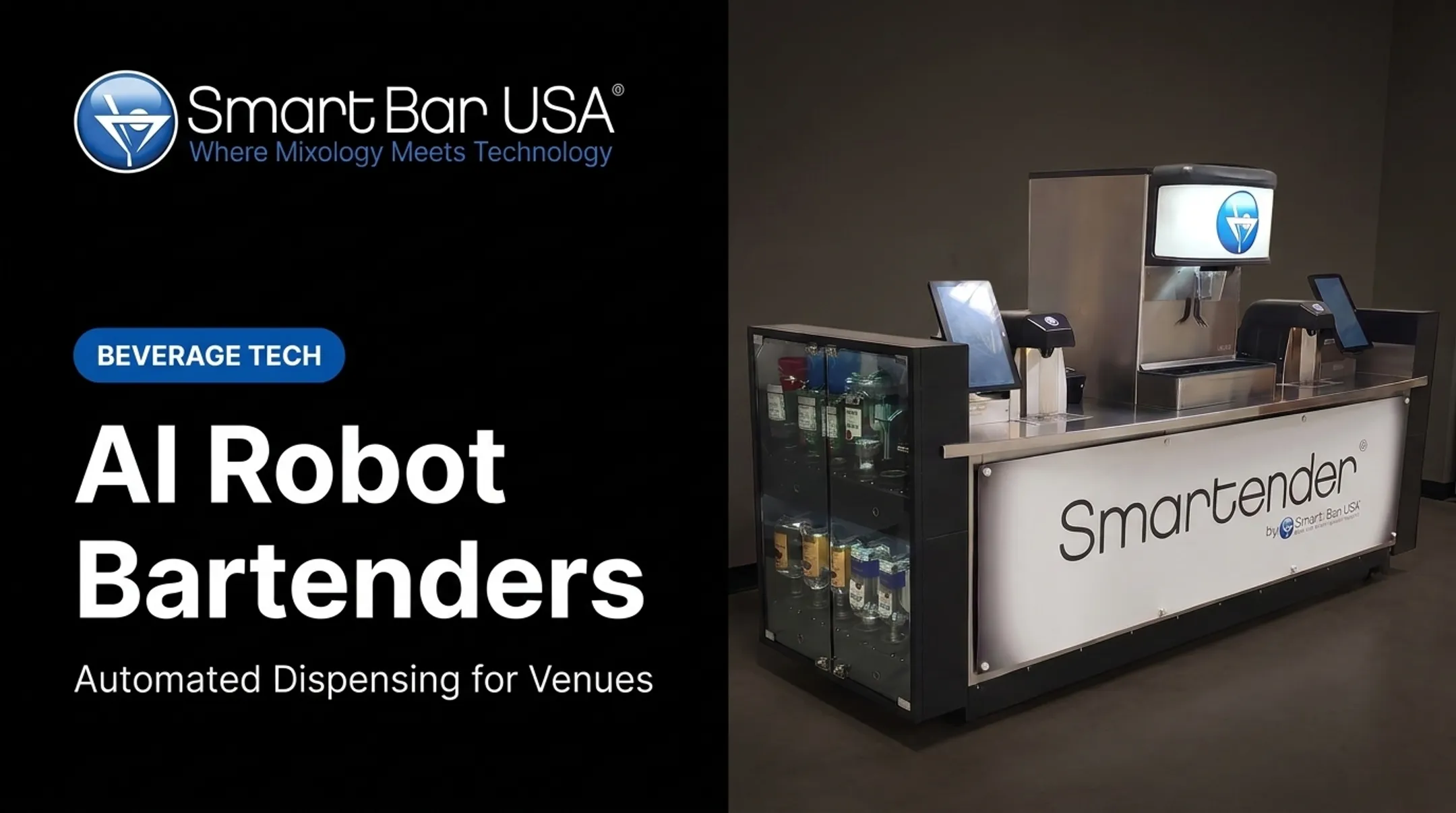
Smart Bar USA's Smartender platform, for example, automates liquor dispensing with pours in under 4 seconds and 1/16-ounce precision, while ingredients like orange juice or Bloody Mary mix are still added by staff. That hybrid model is common across the industry, especially in space-constrained shipboard bars.
Comparing the Approaches
Different hardware choices trade footprint, speed, and show value. Royal Caribbean reported about 2 drinks per minute on Bionic Bar in 2014.
| System type | Footprint | Throughput | Entertainment value |
|---|---|---|---|
| Robotic arm (Bionic Bar) | Large, dedicated bar | ~2 drinks/minute | High: guests watch the mechanism work |
| Fixed dispenser | Compact, countertop | ~4-second average pour | Low: built for speed, not spectacle |
| Self-service kiosk | Small footprint | Varies by demand | Moderate |
| Humanoid (Rob) | Dedicated venue | Not publicly disclosed | Very high: performance-driven |

Infrastructure Requirements
Speed and spectacle only work if the ship can support the hardware. Shipboard deployment needs:
- Stable power and water/drainage connections
- Refrigeration for perishable mixers
- Network connectivity for POS and inventory syncing
- Vibration and motion tolerance for ship movement
- Space for ingredient restocking and technician access
The real bottleneck usually isn't the dispensing mechanism. Ordering speed, glassware supply, garnish prep, and how fast crew can hand off the finished drink matter more.
Why Cruise Lines Use Robot Bartenders
Throughput During Peak Windows
Beverage service faces brutal peaks: embarkation day, post-show crowds, pool-deck afternoons.
A 2018 SevenFifty Daily report found beverages accounted for roughly one-third of Celebrity Cruises' annual onboard revenue, with about 70% of MSC guests choosing prepaid drink packages at the time. That's a lot of pressure on a handful of bars.
Consistency and Pour Control
Standardized measurements matter for two reasons: guest satisfaction and cost control. When every mojito tastes the same, complaints drop. When pours are measured precisely, over-pouring and spillage shrink too.
Land-based data backs this up. Hard Rock Rockford reported near-100% drink consistency after installing Smartender A5000 units, with guests largely unaware their cocktails came from a dispenser rather than a bartender's hands.

Labor Augmentation, Not Replacement
Automation shifts crew time rather than eliminating it. Instead of measuring pours all shift, bartenders can focus on:
- Guest interaction and upselling
- Table and poolside delivery
- Compliance checks and ID verification
- Restocking and cleaning
- Handling custom or unusual orders
The Business Case
Operators evaluating automation should weigh several factors together, not any single metric in isolation:
- Service speed during peak windows
- Revenue per drink package
- Labor reallocation
- Waste and over-pour reduction
Land-based ROI data offers a useful benchmark. Some Smartender deployments have reported payback periods under five months, with annual labor savings in the tens of thousands of dollars per venue.
Cruise-specific figures haven't been publicly disclosed, but the underlying mechanics translate directly to a ship environment: fewer over-pours, faster peak-period service, and consistent recipes.
Operational, Safety, and Cost Considerations
Responsible Service Stays Human
Both Royal Caribbean and MSC require age verification and allow staff to refuse service to intoxicated guests. MSC's minimum drinking age ranges from 18 to 21 depending on region. No automated system replaces this judgment call. Crew still make the final compliance decision.
Sanitation Isn't Optional
Ingredient lines, nozzles, ice chutes, and touchscreens all need regular cleaning. Look for equipment with ETL Sanitation or NSF/ANSI 18 certifications—the baseline standards for food-contact materials and construction.
What Breaks and How Often
Common operational pain points across automated beverage systems include:
- Empty ingredient containers mid-rush
- Clogged lines from syrup residue
- Network or software outages affecting ordering
- Calibration drift affecting pour accuracy
- Delayed repairs when spare parts aren't stocked onboard
Technician access is trickier on a ship than on land. A landlocked venue calls a service tech same-day. A ship mid-voyage can't.

The Real Cost Picture
Purchase price is just the entry point. A full cost framework includes:
- Hardware and custom marine-grade design
- Installation and shipboard infrastructure changes
- POS and software integration
- Crew training hours
- Ongoing maintenance and consumables
- Connectivity fees
- Downtime during repairs
No public source, including manufacturer sites reviewed for this article, publishes a reliable cruise-specific price range. Treat any number you see without a vendor quote as guesswork.
Guest Experience Tradeoffs
Automation isn't free of friction. Common tradeoffs include:
- Queues at popular robot bars during peak hours
- Less personal banter than a human bartender
- Narrower menus than a full-service bar
- Custom or unusual orders that confuse the system
Keeping a human-served option nearby still matters.
How to Evaluate a Cruise-Ship Beverage Automation System
Before choosing a system, define the use case clearly:
- Identify the venue and demand pattern: pool deck, lounge, or embarkation area each has different peak windows
- Map the beverage menu: cocktails, mocktails, or both
- Decide the service model: full automation, hybrid with staff, or pure entertainment
- Check available footprint: some units need dedicated bar space, others fit countertops
Vendor Due-Diligence Checklist
When comparing vendors, confirm:
- ETL or NSF certification for the specific model (not just the brand)
- Published pour accuracy and speed specs
- POS compatibility with your existing system
- Remote monitoring and inventory reporting capability
- Marine-environment or motion testing history
- Crew training time and support response terms
- References from comparable high-volume venues Smart Bar USA is one vendor worth researching in this space. Its Smartender family includes modular countertop units, the portable Smartender GO, the refrigerated Smartender CHILL, and the self-service Smartender DUO. These configurations suit high-volume, space-constrained hospitality settings such as cruise bars and lounges. The company doesn't market its systems as "robot bartenders" or promise unattended bar operation. Instead, it positions them as tools that automate repetitive pouring so staff can focus on service. Any cruise operator evaluating Smartender or a comparable system should verify the specific model's POS integration, certification, and published pour specs against the ship's actual requirements.
Run a Pilot First
Before a fleet-wide rollout, test on one ship or venue with clear success metrics:
- Average service time per drink
- Order accuracy rate
- Beverage waste percentage
- Labor hours reallocated
- Equipment uptime
- Guest satisfaction scores
- Revenue per service period A phased approach catches problems (clogged lines, confusing menus, slow technician response) before they scale across a fleet.
FAQ
Do robot bartenders replace human crew on cruise ships?
No. Crew still handle age verification, garnishing, cleaning, and guest assistance. Automation shifts labor toward service and compliance rather than eliminating roles entirely.
How fast can a robot bartender make a drink?
Royal Caribbean's Bionic Bar is rated at 2 drinks per minute. Fixed dispensing systems typically average around 4 seconds per pour, though garnishing and delivery add time.
Are robot bartenders available on all cruise ships?
No. Royal Caribbean's Bionic Bar currently operates on nine ships. MSC's Rob is confirmed on MSC Virtuosa, with no verified confirmation on other ships as of this writing.
How much does a robot bartender system cost?
There's no reliable published price range for cruise-specific installations. Costs depend on hardware, installation, software integration, training, and ongoing maintenance. Get a vendor quote for your specific ship and venue.
Can robot bartenders serve mocktails?
Yes. Most systems, including MSC's Rob, serve both alcoholic and non-alcoholic drinks. Mocktail-only setups are less common as standalone offerings.