
The reason is simple: speed and consistency. Rising labor costs, inconsistent pours, and slow service during peak hours are squeezing margins across the hospitality industry. A guest waiting 10 minutes for a hand-mixed cocktail during a rush isn't just annoyed — they're a lost upsell, or worse, a lost customer.
This guide breaks down what cocktails on tap actually are, how the systems work, where they fall short, and how automated dispensing technology is pushing the concept even further.
Key Takeaways
- Draft cocktails are pre-batched, kegged drinks poured like beer for speed and consistency
- Spirit-forward recipes keg best; juice and dairy bring separation, spoilage, and off-flavor risks
- Refrigeration, the right gas, and regular line cleaning prevent waste and flat or off tastes
- Smartender systems skip batching logistics and pour custom drinks in under 4 seconds
What Is a Cocktail on Tap?
A cocktail on tap — also called a kegged or draft cocktail — is a pre-batched beverage stored in a keg and dispensed through the same tap system used for draft beer. Instead of a bartender measuring and shaking each order, operators scale the full recipe, mix and dilute it for the lack of ice or shaking, then load it into a keg ahead of service.
As VinePair explains, building a draft cocktail means scaling a recipe to fill a keg while accounting for proper dilution and mixing before it ever touches the tap line. Some drinks still get a splash of soda or a garnish once poured; the keg handles the base build, and the finish stays at the glass.
"On tap" simply means dispensed via a pressurized tap system rather than mixed to order. That's true whether you're talking about:
- Beer
- Wine
- Cocktails and mocktails
- Coffee and nitro cold brew
- Kombucha and tea
Virtually any stable beverage can go on tap. The question is whether it should.
How Draft Cocktail Systems Work
Draft cocktail systems run on the same basic idea as draft beer: a sealed keg, gas pressure, a cooled line, and a faucet. Batched cocktail is held in the keg; gas pushes it through the line; the tap meters each pour so speed and recipe stay consistent during a rush.

Choosing the Right Setup
Not every cocktail needs the same gas. Match the gas to texture and carbonation:
- CO2 — charges and pushes carbonated drinks like an Aperol Spritz or Moscow Mule
- Nitrogen (N2) — best for still cocktails; smoother texture, no extra fizz
- Beer gas — CO2/N2 blend for in-between styles
The wrong gas doesn't just hurt taste. It causes flat pours, over-carbonation, or foam that slows service when you're busiest.
Storage, Shelf Life, and Maintenance
Kegged cocktails aren't shelf-stable forever. Per Micro Matic's dispensing guidance, store kegs around 36–38°F; a well-batched cocktail usually holds 2–3 weeks.
That window shrinks fast with the wrong ingredients. Avoid:
- Fresh juice — spoils quickly and can clog lines
- Dairy — separates and fouls the system
- Fresh herbs — settle and leave sediment
Line cleaning is mandatory. Skip it and you risk:
- Clogged lines mid-service
- Off-tasting pours
- Dumping a full keg instead of a single drink

Benefits of Draft Cocktails on Tap for Businesses
Done right, draft systems solve real operational headaches:
- Speeds peak-hour service as bartenders pour instead of building each drink
- Delivers consistent quality by removing guesswork and human error from every pour
- Cuts waste from over-pouring and rushed ingredient builds
- Simplifies inventory when one keg replaces a dozen bottles and mixers
- Scales for stadiums, casinos, and hotels without adding bar staff
MarketWatch's 2025 coverage of draft programs confirms the upside but flags the real risk. Large batches make mistakes expensive, and a spilled or spoiled keg can wipe out a significant volume of finished product at once.
The drawbacks are real, too:
- Upfront equipment costs for kegs, lines, chilling, and gas systems add up quickly
- Fixed recipes limit flexibility for seasonal specials or guest customization
- Poor demand forecasting leads to shortages or spoiled batches

Kegs vs. Automated Cocktail Dispensing Systems
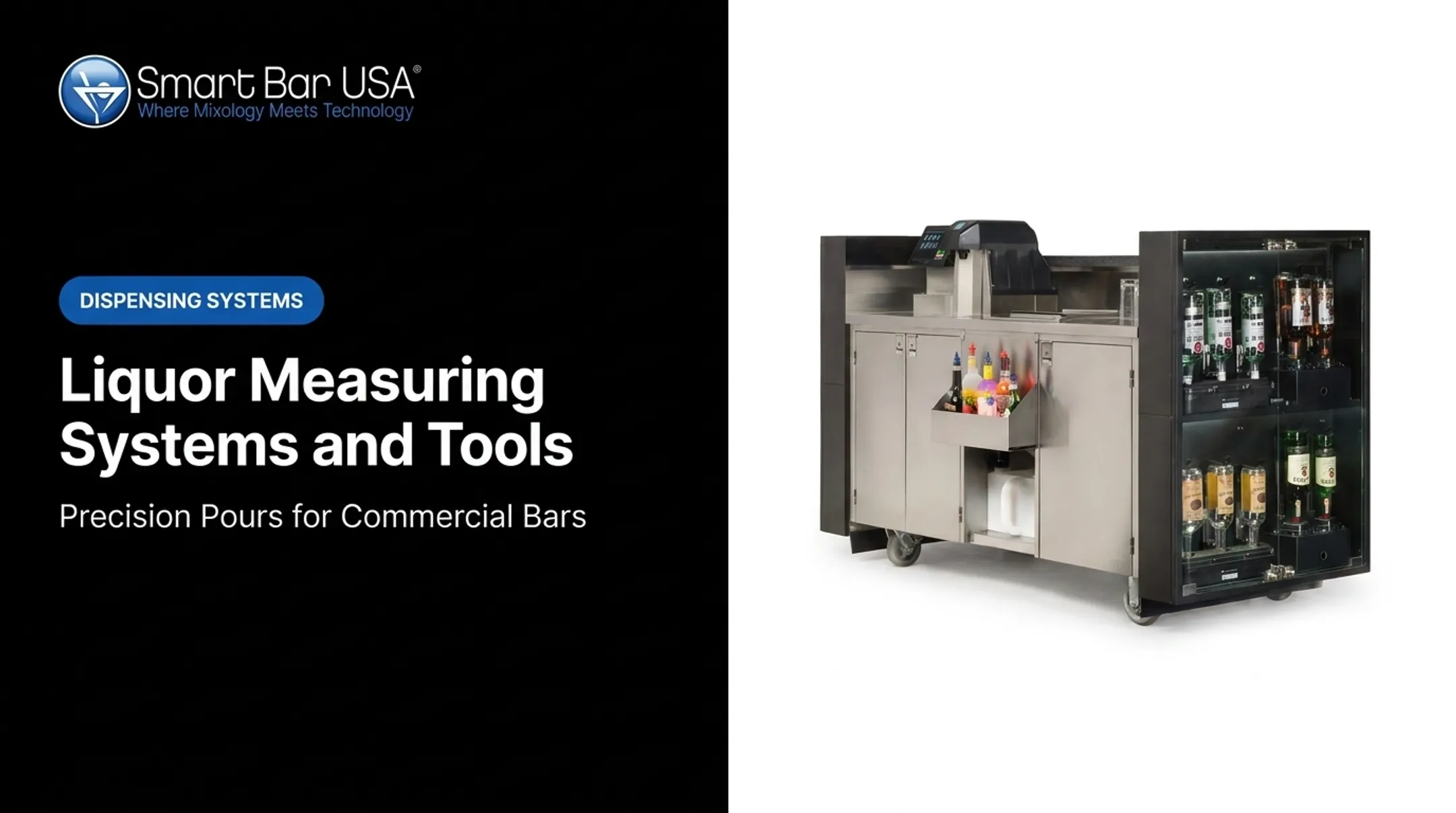
Kegging isn't the only path to fast, consistent cocktails. Automated dispensing systems take a different approach entirely — pouring directly from spirits and mixers at the point of service instead of relying on pre-batched kegs.
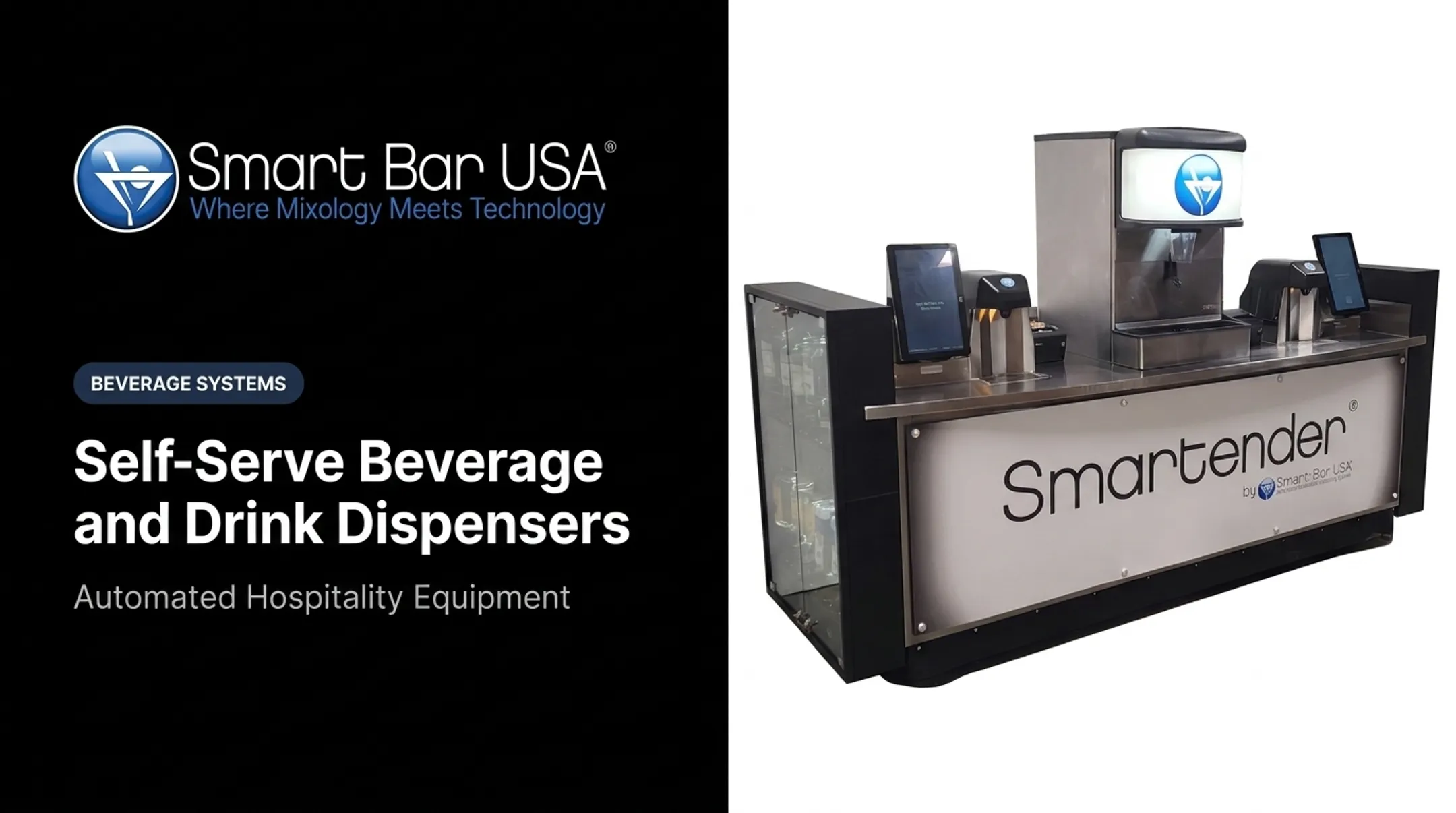
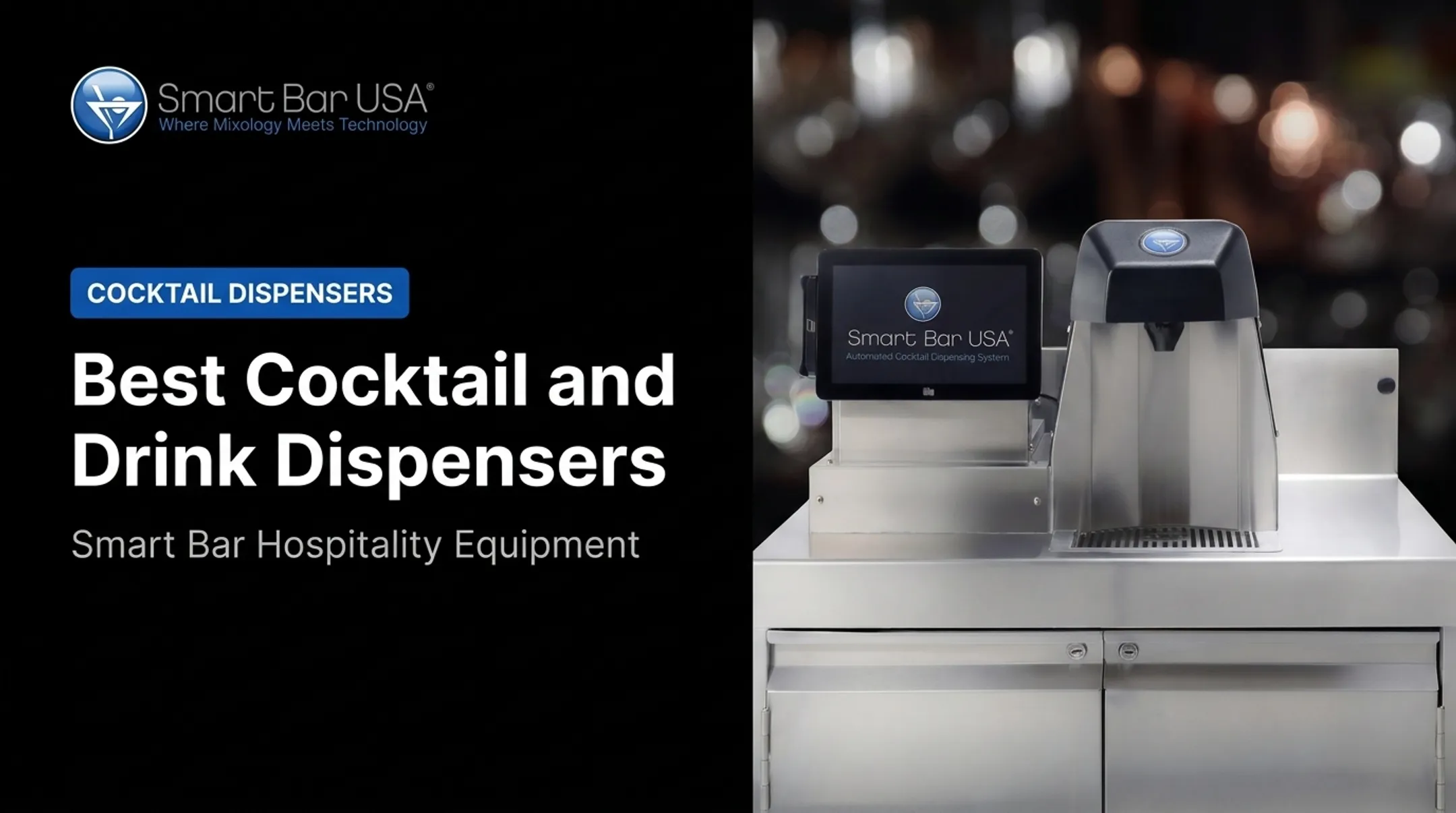
Smart Bar USA's Smartender family works this way. The A-Series pours liquor and mixer simultaneously, delivering a finished drink in under 4 seconds with 1/16-ounce pour precision. There's no batching, no dilution math, and no keg to dump if demand shifts mid-shift.
That distinction matters for venues that need flexibility:
| Feature | Kegged Draft Cocktails | Smartender Automated Dispensing |
|---|---|---|
| Recipe flexibility | Fixed until keg is replaced | Custom drinks on demand |
| Shelf life concerns | 2–3 weeks, spoilage risk | Dispenses from source spirits |
| Setup | Kegs, lines, gas, chilling | Modular unit, POS-integrated |
| Waste from bad batches | Full keg loss possible | Tracked per ounce |
Resorts World Las Vegas selected Smartender systems for its casino and pool areas, and MGM National Harbor deployed 10 Smartender 3400 units across high-traffic casino bars to manage labor costs and product loss from over-pouring.
Hard Rock Rockford's Smartender A5000 implementation removed more than 27 full-time-equivalent shifts per week from service wells and cut new-server training time to 3–5 hours, while holding near-100% drink consistency.
A kegging program isn't built for that result. It still depends on batching, gas selection, and manual line maintenance.
For venues like stadiums, casinos, and entertainment complexes — where demand swings hard and staff turnover is constant — that flexibility often outweighs the lower equipment cost of a keg setup.

Popular Cocktails to Serve on Tap
Guest demand already points to strong draft candidates. According to Forbes' 2024 ranking using NIQ data, the most-ordered cocktails in the U.S. include:
- Margarita
- Martini
- Moscow Mule
- Espresso Martini
- Old Fashioned
- Mojito
- Long Island Iced Tea
- Spritz
- Mimosa
- Bellini
Popularity alone does not make a drink draft-ready. The strongest keg fits share stable ingredients, consistent texture, and recipes that hold up under pressure:
Best suited for kegging:
- Spirit-forward drinks — Manhattans, Negronis, Old Fashioneds
- Carbonated classics — Moscow Mules, spritzes, mojitos
- Punches with stable, non-perishable ingredients
Citrus-heavy sours, including the No. 1 Margarita, can work too, but only with juice-agitation technology that keeps pulp and solids from settling and clogging the line. Without it, sours remain a risky bet for a draft program.
Frequently Asked Questions
What is a cocktail on tap?
A cocktail on tap is a pre-batched drink stored in a keg and dispensed through a pressurized tap system, the same way draft beer is served. It skips the shake-and-stir process entirely.
What does "on tap" mean at a bar?
It means the beverage is dispensed through a pressurized tap system rather than poured or mixed individually. This applies to beer, wine, coffee, and increasingly, cocktails.
What drinks can you get on tap?
Beer, wine, coffee, kombucha, and tea have long been staples. Cocktails and mocktails are now common additions, especially spirit-forward and carbonated styles.
Can you get cocktails in a keg?
Yes. Many bars pre-batch cocktails and store them in kegs specifically for draft service, particularly stable, spirit-forward recipes.
What are the 10 most popular cocktails?
Per NIQ data, they are Margarita, Martini, Moscow Mule, Espresso Martini, Old Fashioned, Mojito, Long Island Iced Tea, Spritz, Mimosa, and Bellini. Several, including the Moscow Mule and Spritz, adapt well to draft or automated dispensing.